Introduction
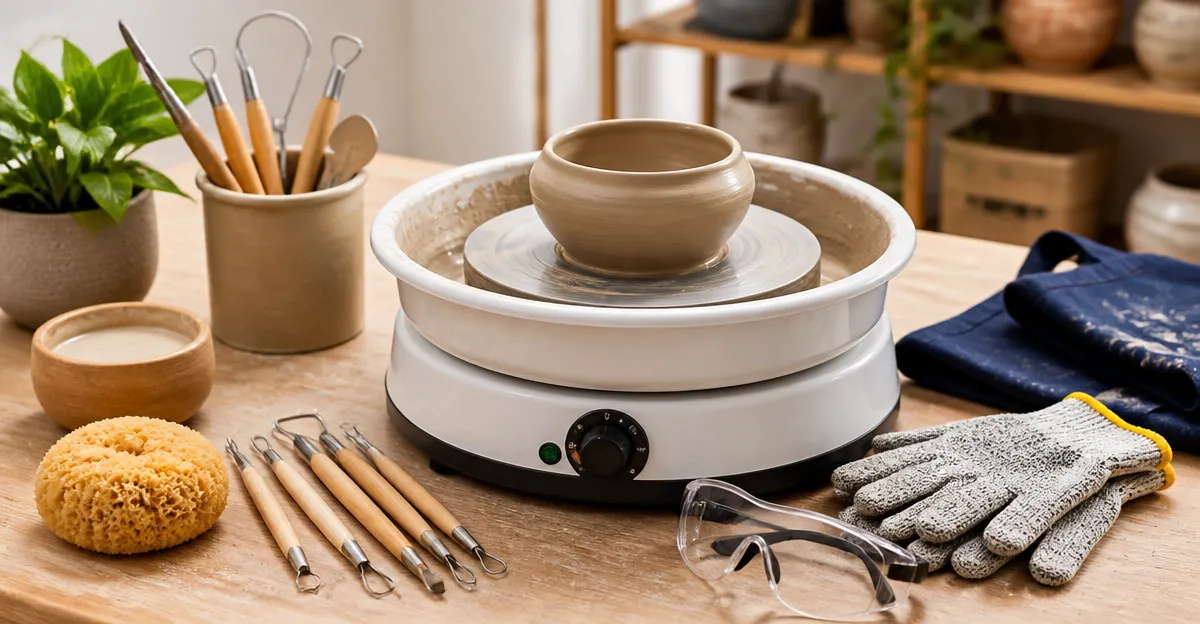
Pottery is a rewarding craft that combines artistic expression with tactile skill, yet even a compact mini wheel can present hazards if it is not handled correctly. Beginners often underestimate the importance of safety because the equipment appears small and harmless, but the rotating turntable, electrical components, and wet clay can create slip, pinch, or electrical risks. Understanding these dangers and applying proven precautions ensures that the creative process remains enjoyable and injury‑free.
The market now offers a variety of beginner‑friendly kits, such as the Insnug Mini Pottery Wheel (Black) and the Aujazyble Kids Pottery Wheel. By integrating safety recommendations with these specific products, readers can make informed purchases while protecting themselves and their families.
1. Secure a Stable Work Surface
A stable platform prevents the wheel from wobbling, which can cause the clay to slip and the user to lose balance. The Insnug Mini Pottery Wheel (Black) measures 14.4" x 10" x 3.9" and includes a detachable water basin that can be placed on a sturdy table or desk. Users have praised its compact design, noting that it "fits on a kitchen table and can be tucked away in a closet" (positive review). The Alldeer Mini Pottery Wheel Kit also features a robust base that supports the 6‑inch metal turntable, making it suitable for both adult and child use.
When setting up, ensure the surface is level, free of clutter, and capable of bearing the wheel’s weight plus the user’s hands. A non‑slip mat underneath adds an extra layer of stability, especially on smooth countertops.
2. Keep Electrical Cords Organized and Away From Water
All featured wheels operate on low‑voltage DC power, but exposure to moisture can create short‑circuit hazards. The Insnug wheels include a 1‑meter DC cable that should be routed away from the splash tray. One reviewer warned, "There was no power cord, so my wife couldn’t even use it," highlighting the need to verify that the product arrives with a functional cord. The Aujazyble Kids Pottery Wheel provides a short cord; users should consider an extension cord with a grounded outlet if placement requires distance from the power source.
Always unplug the wheel when cleaning or changing tools, and store the cord in a coil that does not cross the water basin.
3. Use the Detachable Water Tray Correctly
Both Insnug models feature a 10" detachable water tray that captures excess moisture and prevents splashing onto the floor. This design reduces slip hazards and simplifies cleaning. A customer noted, "The detachable water tray solves the problem of mud splashing, keeping the wheel pristine." When the tray is removed, place it on a flat surface and empty any standing water before re‑attaching.
Never operate the wheel with the tray missing, as the clay may scatter and create a mess that can lead to accidental slips.
4. Adjust Speed Gradually
Rapid rotation can cause the clay to fly off the turntable, especially for novices who have not yet mastered centering. The Insnug wheels offer adjustable speed controls, allowing users to start at a low RPM and increase as confidence grows. The Alldeer kit provides a 0–300 RPM range with a simple dial, making speed management intuitive for children.
Begin with the lowest setting, practice centering a small lump of clay, and only increase speed when the piece remains stable.
5. Wear Protective Eye Gear
Although pottery wheels do not generate high‑velocity projectiles, small fragments of dried clay or tool bits can become airborne. Wearing safety glasses eliminates the risk of eye injury. The National Geographic Kids Pottery Wheel includes an instructional video that emphasizes protective equipment, reinforcing safe habits early on.
Even a simple pair of clear, impact‑resistant glasses adds a professional layer of safety without compromising the fun of the activity.
6. Keep Hands and Tools Away From Moving Parts
The two‑button control on Insnug wheels allows for dual rotation directions, but users must keep fingers clear of the turntable while it spins. A reviewer praised the "two‑way rotation" as a lifesaver, yet warned that "centering the clay" requires careful hand placement. The Aujazyble Kids Pottery Wheel includes a foot‑pedal pause function, enabling users to stop the wheel instantly if a hand slips toward the edge.
Always pause the wheel before adjusting tools, adding clay, or reaching for accessories.
7. Store Tools Safely After Use
Each kit ships with a variety of carving tools, brushes, and a cutting wire. Leaving these sharp items in an open drawer creates a tripping or puncture risk. The Insnug Mini Pottery Wheel (Green) provides a dedicated storage compartment within its compact body, allowing users to keep tools organized and out of reach of children when not in use.
Encourage the habit of returning tools to their designated slots after each session; this also prolongs the lifespan of the accessories.
8. Maintain a Clean Workspace
Clay dust and water droplets can make surfaces slippery. The Aujazyble Kids Pottery Wheel advertises a "mess‑free" experience because the clay rinses off the detachable turntable with a sponge. One parent noted the short cord required placement on the floor, but the easy‑to‑wipe surface mitigated spills.
Wipe down the work area with a damp cloth after each session, and vacuum any loose dust to prevent inhalation and keep the floor safe.
9. Follow Manufacturer Assembly Instructions
Improper assembly can lead to unstable operation. All kits include detailed manuals; the Insnug wheels come with a step‑by‑step guide that even beginners find clear. A reviewer mentioned, "The instruction is detailed, making setup quick and easy." Skipping steps such as securing the water basin or tightening the turntable bolt may cause wobble or unexpected movement.
Allocate time to read the manual fully before first use, and verify that all screws are tightened according to the guide.
10. Supervise Children During Use
Products designed for kids, such as the Aujazyble Kids Pottery Wheel and National Geographic Kids Pottery Wheel, are built with lower noise output (approximately 60 dB) and child‑friendly controls. Nevertheless, adult supervision is essential to ensure that children do not place hands near the spinning surface or misuse the foot pedal.
Set clear rules: no reaching into the turntable while it spins, keep the area free of pets, and always turn off the wheel when stepping away.
Comparison of Featured Mini Pottery Wheels
| Product | Price (USD) | Rating | Key Safety Feature |
|---|---|---|---|
| Insnug Mini Pottery Wheel (Black) | 60.77 | 4.1/5 (1,311 reviews) | Detachable water tray, two‑button rotation control |
| Aujazyble Kids Pottery Wheel | 23.99 | 4.4/5 (1,583 reviews) | Foot‑pedal pause, mess‑free detachable turntable |
| Insnug Mini Pottery Wheel (Green) | 60.78 | 4.1/5 (1,311 reviews) | Compact storage, low‑noise motor |
| Alldeer Mini Pottery Wheel Kit | 79.99 | 4.3/5 (252 reviews) | 0–300 RPM speed control, splash tray |
| National Geographic Kids Pottery Wheel | 69.99 | 4.5/5 (2,009 reviews) | Integrated arm tools, award‑winning design |
Conclusion
Safety is the foundation of a successful pottery journey, and the ten tips outlined above empower beginners to enjoy their craft without unnecessary risk. By selecting a reputable wheel—such as the Insnug Mini Pottery Wheel (Black) for adults or the Aujazyble Kids Pottery Wheel for younger creators—users gain access to built‑in safety features like detachable trays, adjustable speed, and foot‑pedal controls. Consistent adherence to proper setup, electrical caution, and supervised use will protect both the artist and the environment, allowing creativity to flourish.
Whether you are purchasing your first wheel or upgrading an existing kit, remember that the best tool is one that combines functionality with thoughtful safety design. Choose a model that aligns with your skill level, workspace, and family needs, and you will find pottery to be a rewarding, low‑risk hobby for years to come.
Products Mentioned in This Article
Frequently Asked Questions
What safety precautions should I take when using a mini pottery wheel?
Place the wheel on a stable surface, keep cords away from water, wear protective gloves, and never touch moving parts while it’s running.
How can I prevent electrical hazards with a mini pottery wheel?
Use a grounded outlet, avoid splashing water on the motor, and unplug the wheel when not in use or before cleaning.
Why is it important to secure the wheel to a stable workbench?
A stable platform stops wobbling, reduces slip risks, and helps maintain control of the clay during shaping.
Are there specific safety features to look for in beginner mini pottery wheels?
Choose wheels with non‑slip bases, built‑in overload protection, and easy‑to‑reach power switches.
What personal protective equipment (PPE) is recommended for beginners?
Wear safety glasses to guard against flying debris, non‑slip shoes for footing, and optionally a dust mask when sanding dried clay.