How to Price Mini Pottery Pieces: A Simple Step‑by‑Step Formula to Cover Materials, Time, and Profit
Introduction
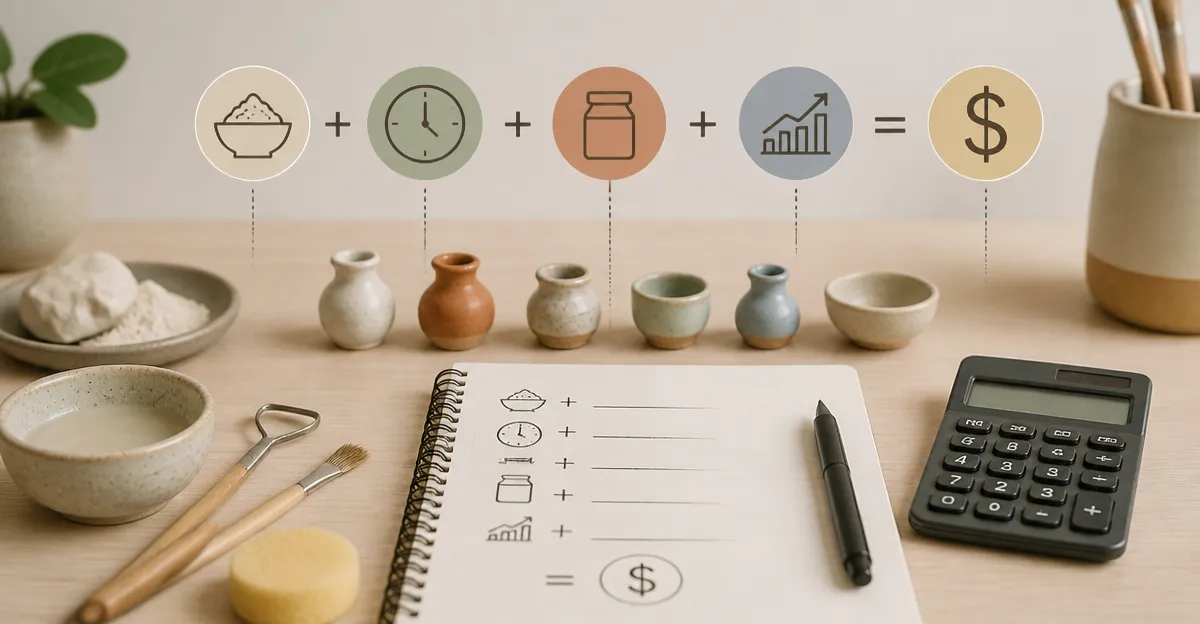
One will learn how to assign a fair market price to miniature pottery creations by following a systematic approach. The guide explains how to calculate material expenses, quantify labor time, and apply a reasonable profit margin. Understanding these elements enables the potter to price pieces confidently, avoid undervaluing work, and maintain a sustainable studio business. Readers will also discover reference books that streamline market research and provide visual examples of comparable items. By the end of this article, one will possess a repeatable pricing worksheet that can be adapted to any style of small‑scale ceramics.
What You'll Need
- Basic pottery supplies such as clay, glazes, and kiln access.
- Reference books for technique and market values (see product links below).
- Spreadsheet software or a simple notebook for calculations.
- Digital camera or smartphone for documenting finished pieces.
Step 1: Build Technical Foundation
Before pricing, one should master the essential techniques of throwing, hand‑building, and glazing. The book Complete Pottery Techniques offers step‑by‑step photographs from the potter's perspective, making it ideal for beginners and experienced makers alike. At a price of $15.79 and a rating of 4.7 out of 5 from 998 reviews, the volume provides expert tips for rescuing flawed pots, which reduces material waste and protects profit margins. By applying the methods described, one can produce consistent mini pieces that command reliable prices.
Step 2: Deepen Knowledge of Ceramic Theory
Understanding clay chemistry and glaze formulation enhances the ability to create unique finishes that increase perceived value. Introducing Pottery delivers a comprehensive overview of clay bodies, glaze making, and firing techniques. Priced at $35.00 with a 4.9 rating from 28 reviewers, the book includes full‑color illustrations and tables that simplify complex calculations. By consulting this resource, one can develop signature glazes that differentiate mini pieces in a crowded market, thereby justifying higher price points.
Step 3: Research Comparable Market Values
Accurate pricing requires knowledge of what collectors are paying for similar items. Three reference guides serve this purpose:
- McCoy Pottery Value Guide – $21.99, rating 4.8/5 (68 reviews). This volume catalogs over 2,500 McCoy pieces with current price ranges, offering a benchmark for American pottery.
- Miller’s Antiques Price Guide – $31.90, rating 4.6/5 (153 reviews). It covers more than 8,000 antiques, including ceramics, and explains valuation principles that can be applied to mini works.
- Antique Trader Pottery Price Guide – $29.00, rating 4.6/5 (45 reviews). Featuring 1,500 color images and maker marks, this guide helps identify rarity and authenticity, factors that influence price.
By cross‑referencing these sources, one can determine a realistic price range for miniature pieces that share style, era, or maker characteristics. The guides also provide terminology for describing pieces in listings, which improves buyer confidence.
Step 4: Calculate Material Costs
One should record the exact amount of clay, glaze, and other consumables used for each mini piece. For example, if 0.5 kg of stoneware clay costs $12.00 per kilogram, the clay cost equals $6.00. Add glaze consumption (e.g., 0.1 L at $25.00 per liter equals $2.50) and any small tools or kiln electricity estimates. Summing these figures yields the total material cost per item. Maintaining a spreadsheet column for each expense ensures transparency and aids in future budgeting.
Step 5: Estimate Labor Time
Time tracking is essential for a profit‑oriented studio. One should note the minutes spent on preparation, throwing, trimming, drying, bisque firing, glazing, and glaze firing. Suppose a miniature vase requires 45 minutes of hands‑on work. Assigning an hourly studio wage of $30.00 results in a labor cost of $22.50 (45 min ÷ 60 min × $30.00). Including setup and cleanup time, which may add 10 minutes, increases the labor figure to $25.00. Accurate time logs prevent under‑pricing and support professional pricing statements.
Step 6: Apply Desired Profit Margin
After material and labor costs are known, one adds a profit margin that reflects market expectations and business goals. A common approach is to apply a 50 % markup on total cost. Using the previous example, material cost $8.50 plus labor cost $25.00 equals $33.50. Applying a 50 % markup results in a final price of $50.25. One may round to the nearest whole dollar for simplicity, presenting the piece at $50.00. Adjusting the markup upward for rare glazes or limited editions is acceptable when market research supports higher demand.
Step 7: Create a Professional Price Sheet
Compile the calculated prices into a clear price sheet that includes item description, dimensions, material cost, labor cost, and final price. Incorporate reference numbers from the valuation guides to demonstrate market alignment. For online listings, embed high‑resolution photographs and cite the guide that informed the price range, such as “Pricing based on McCoy Pottery Value Guide”. This transparency builds buyer trust and reduces price negotiations.
Tips & Pro Tips
- Maintain a dedicated notebook for material receipts; this simplifies cost verification during tax season.
- When experimenting with new glazes, create a small test batch and price it conservatively until market response is known.
- Consider offering limited‑edition runs; scarcity can justify a premium beyond the standard markup.
- Use the photography tips from Introducing Pottery to capture lighting that highlights glaze depth, thereby increasing perceived value.
- Periodically review the price guides listed in Step 3, as market values fluctuate with trends and collector interest.
Troubleshooting
Problem: Material costs appear unusually high for a miniature piece.
Solution: Verify that the clay and glaze quantities are measured accurately; small errors in weighing can inflate costs. Consider bulk purchasing to reduce per‑unit expense.
Problem: Labor time is consistently exceeding the target margin.
Solution: Analyze each production stage for inefficiencies. Streamline setup by preparing all tools before beginning, and practice the throwing sequence to improve speed without sacrificing quality.
Conclusion
One now possesses a repeatable formula for pricing mini pottery pieces that incorporates material expenses, labor time, and a strategic profit margin. By leveraging technical guides such as Complete Pottery Techniques and market references like McCoy Pottery Value Guide, the potter can price with confidence and professionalism. Consistent application of this method will support sustainable studio growth and enhance the perceived value of each miniature creation.
Products Mentioned in This Guide
Frequently Asked Questions
How do I calculate the material cost for a mini pottery piece?
Add the cost of clay, glaze, and any consumables used, then divide by the number of pieces you can produce from those materials.
What method should I use to value my labor time?
Track the minutes spent on each piece, convert to hours, and multiply by your desired hourly wage.
How much profit margin is reasonable for small‑scale ceramics?
A 30‑50% markup on total material and labor costs is common for handmade mini pottery.
Which reference books help determine market prices for miniature ceramics?
Books like "The Ceramic Artist's Price Guide" and "Handmade Pottery Pricing" provide comparable sales data and pricing benchmarks.
Can I use a spreadsheet to streamline my pricing calculations?
Yes; set up columns for material cost, labor cost, profit margin, and total price to quickly generate consistent quotes.